Developing a new content strategy for the upgrade experience
Company: Intuit | Role: Content designer
Challenge
Create a new upgrade experience for customers.
Intuit was facing a significant problem with QuickBooks Online Advanced customers: many users would upgrade to the premium tier when forced to by product limitations, only to downgrade within 30-90 days because they weren't discovering the valuable advanced features that justified the higher price point.
The existing upgrade paths were primarily “blocking” experiences:
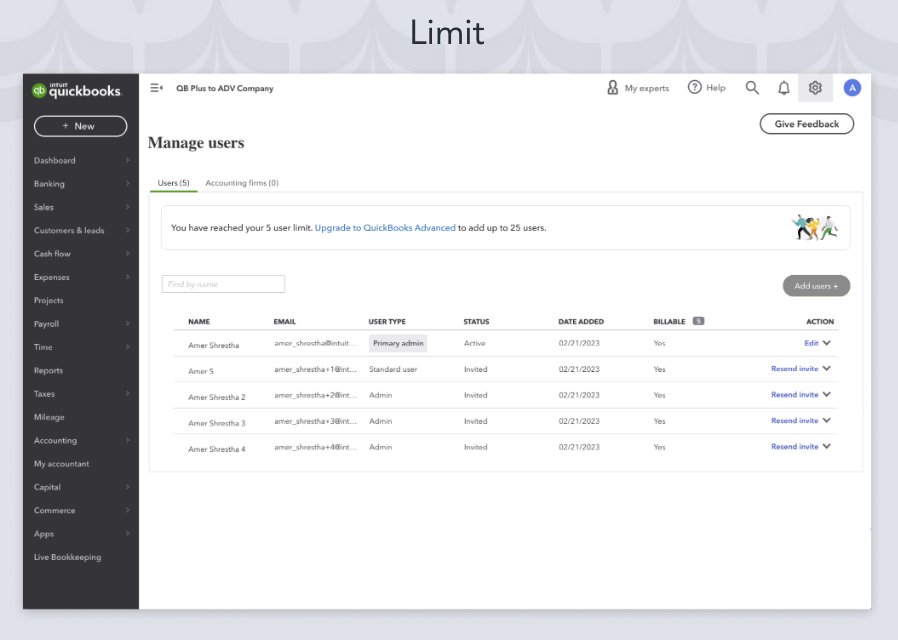
Limit scenarios - Users hit artificial constraints (like the 5-user limit) that forced them to upgrade, creating frustration
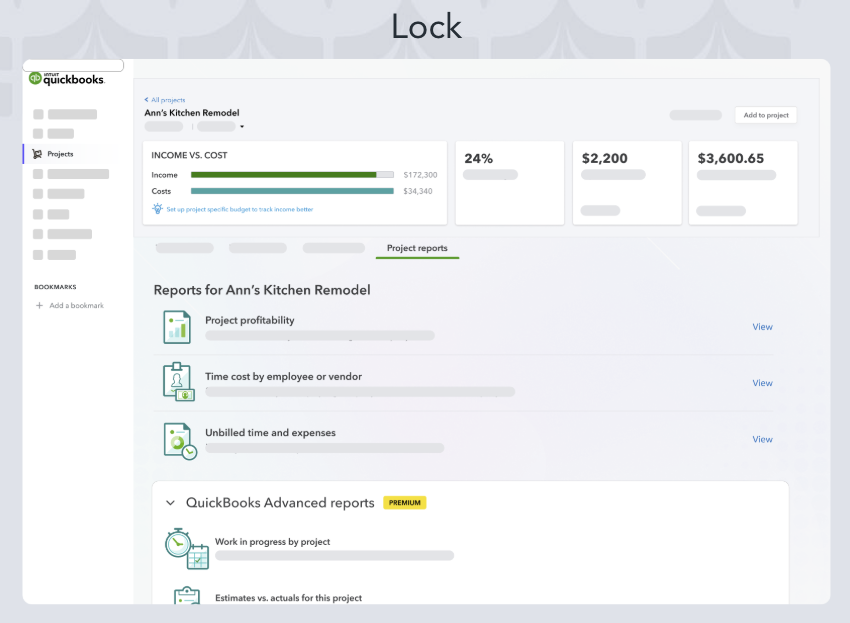
Lock scenarios - Users discovered that certain features were unavailable without upgrading, creating a blocking experience
These negative upgrade paths resulted in customers who:
Upgraded reluctantly to overcome a limitation
Failed to discover the full value of advanced features
Ultimately concluded the upgrade wasn't worth the additional cost
Downgraded back to their previous subscription tier
Solution
Use a systematic approach to come up with a user-friendly name.
I developed a new content framework called "Lift" to create positive, value-driven upgrade paths that helped users discover advanced capabilities in context.
The Lift framework had these key components:
Contextual Detection - Identify when users are performing tasks that could be done more efficiently with advanced features
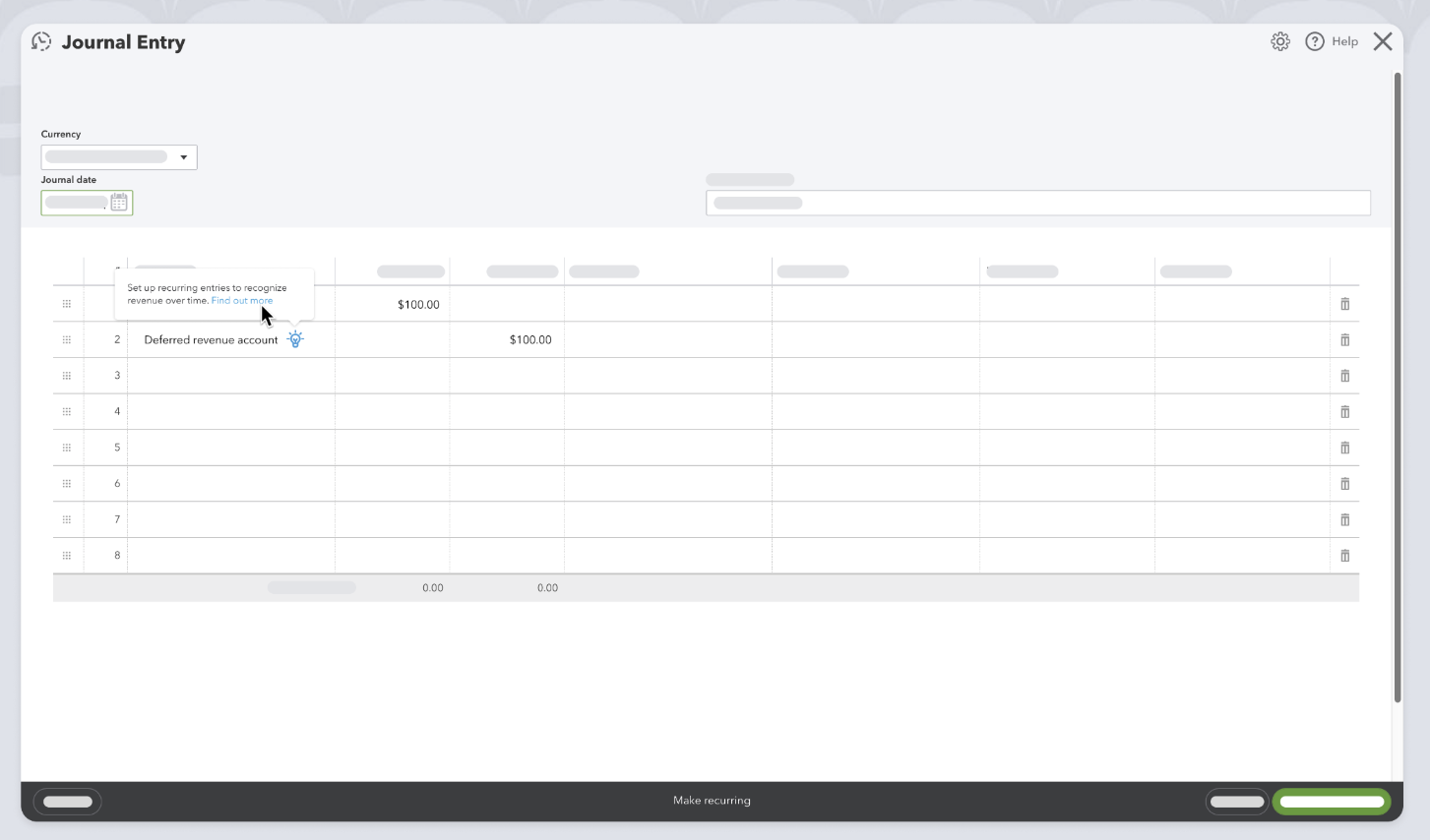
Educational Tooltips - Provide helpful information at the exact moment when users could benefit from advanced functionality
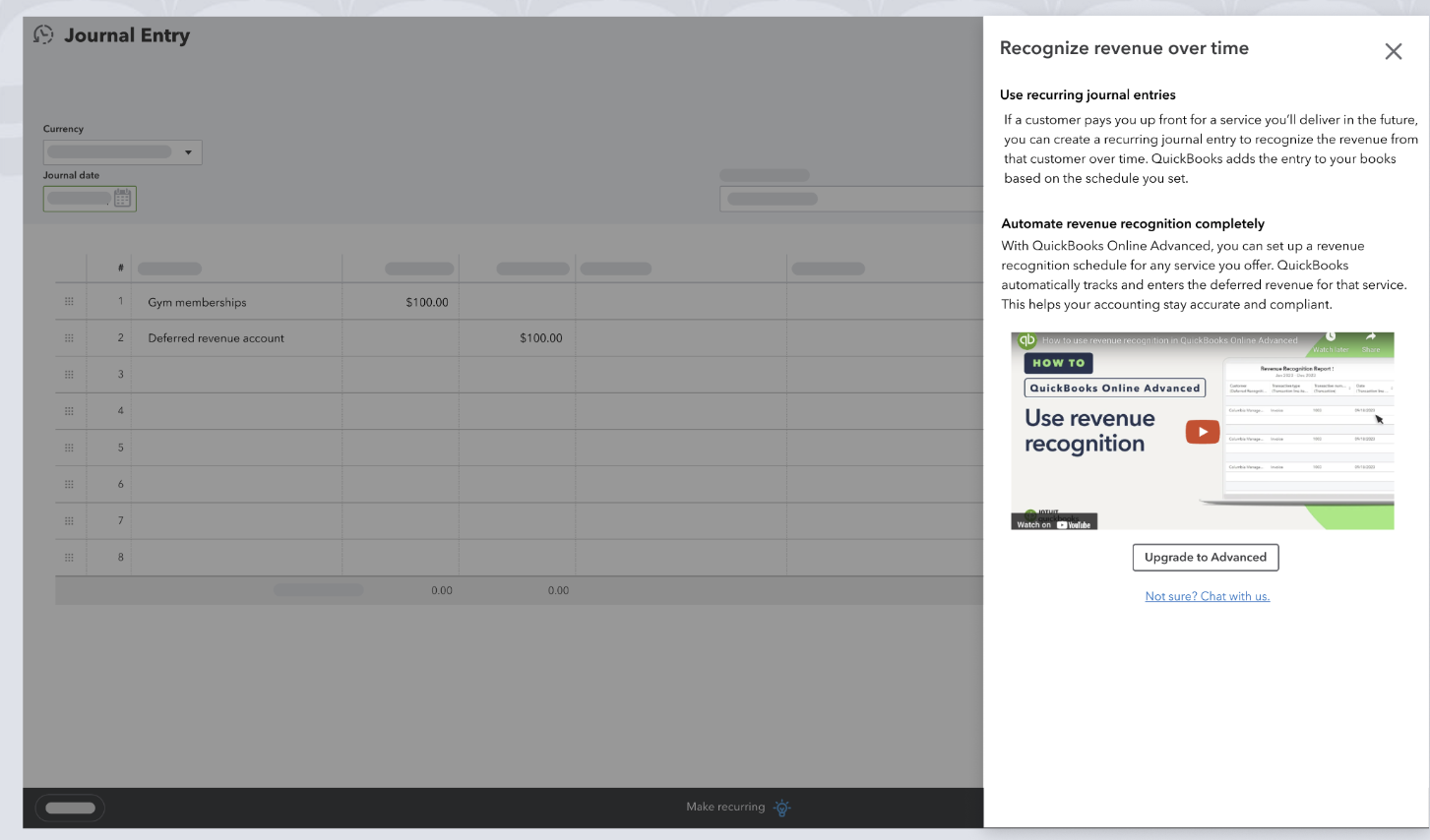
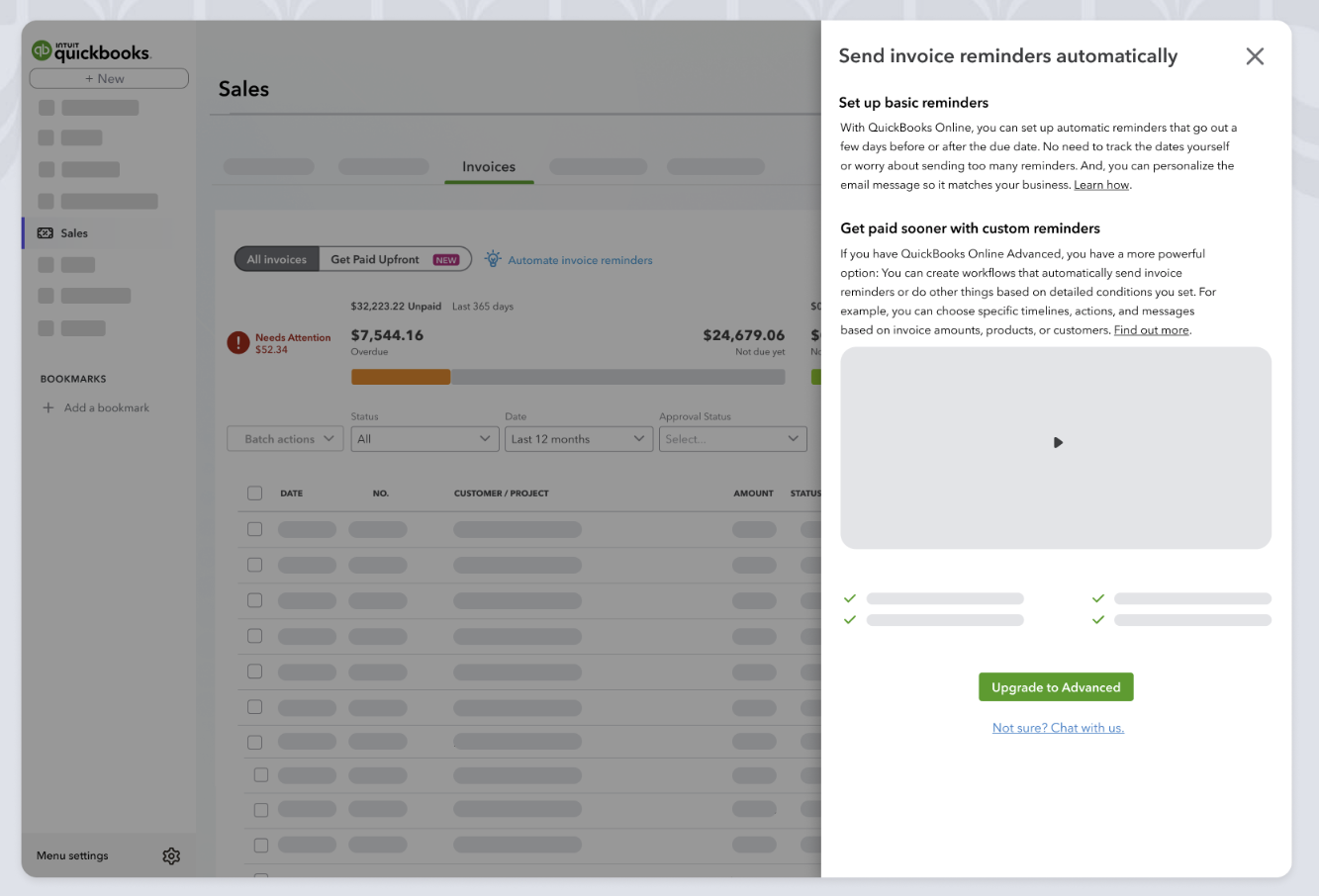
Dual-Purpose Help Overlays - Create two-part contextual help that:
First showed users how to complete their current task efficiently with their existing subscription
Then revealed how they could accomplish the same task even better with advanced features
Positive, Low-Pressure Paths - Give users options to learn more, watch videos, or upgrade directly from their workflow
Implementation Strategy - Design the framework to require minimal engineering resources by leveraging the existing support content system
I developed multiple examples of this framework in action, such as:
Helping users who manually enter recurring journal entries discover automated options
Showing users sending payment reminders how they could automate collections processes
Outcome
TBD.
The "Lift" framework provided several key advantages:
Value-Driven Upgrades - Customers could immediately see the concrete benefits of advanced features in the context of their actual work
Positive User Experience - The approach felt enabling rather than blocking, creating goodwill
Low Implementation Cost - The solution could be deployed through the existing help content system without significant engineering effort
Scalable Approach - Multiple upgrade paths could be created throughout the product where relevant
This framework represented a significant shift from reactive, limitation-based upgrade paths to proactive, value-driven ones that helped customers discover features they would genuinely benefit from.
The framework was in the process of implementation when I transitioned from my role at Intuit, with its full results pending at that time.